🥩🔥 Processed Meat vs Real Meat — The Difference Most People Miss 🥩🔥
Processed meat and real meat are not the same. Supermarket meat that never attracts flies or smells is full of nitrites. Ancestral nose-to-tail meat—what our Nandi grandparents ate daily—is nutrient-dense and protects your arteries. Learn why this difference changes everything for your metabolic health.
Korir Cherinyit
Tuesday, 9 June 2026
🥩🔥 Processed Meat vs Real Meat — The Difference Most People Miss 🥩🔥
By Cherinyit® – Founder & Wellness Coach
Keto Diet Champions & Wellness Centre – Where Ancestral Wisdom Meets Modern Science & Common Sense
Eldoret, Kenya | app.ketodietchampions.co.ke | @KDC_Wellness
*
Most people make one major mistake when talking about meat and heart disease: they lump all meat into a single category. Steak, ground beef, lamb, hot dogs, bacon, deli slices, and sausages are all called “meat”—but biologically, they’re not the same. That one-word shortcut hides very different foods and very different effects on our bodies.
Let me take you through what happens when we separate real meat from processed meat, and why our ancestral pastoralist way of eating—nose-to-tail, daily, as a staple—changes the story completely.
*
Why separation matters
When researchers separate unprocessed red meat from processed meat, the risk patterns change. Processed meat consistently shows stronger associations with cardiovascular disease, type 2 diabetes, metabolic dysfunction, and higher all-cause mortality. Unprocessed red meat produces more mixed findings. Blaming “meat” without precision misleads both individuals and public health policy.
This is exactly what we see in our clinics in Eldoret. Many middle-class professionals come to us saying, “Meat is bad for me,” because they’ve been told that. But when we ask what kind of meat they’re eating, the story shifts. Often, they’re eating processed breakfast sausages, deli meats, or cheap sausages loaded with additives. They’re not eating the kind of meat our grandparents ate after a hunt or at a nyama choma gathering.
*
Processed meat is not just meat
“Processed meat” is more than a different cut or package. Many processed products contain preservatives, nitrites, and nitrates, refined fillers and added sugars, excess sodium and industrial oils, smoke compounds, stabilizers, and flavor enhancers. At some point, the product is less meat and more an industrial food designed for shelf life and profit. That changes how the body responds.
Think about it: when you bite into a processed sausage, what are you actually eating? The label might say “beef,” but the chemistry is more like a factory product built around meat. That’s not the same as biting into a piece of grass-fed lamb or goat roasted over firewood. The body doesn’t eat ingredient labels—it eats chemistry.
Here’s something important: meat from supermarkets that has no flies and no smell is a lie. Real meat attracts flies and develops a natural smell over time. Supermarket meat that stays fly-free and smell-free for days is full of nitrites and preservatives. It’s not real meat anymore—it’s an industrial product disguised as food.
*
Why food structure matters
The body eats food, not isolated nutrients. Treating saturated fat or protein as if they act the same in every context misses the food matrix: how nutrients are packaged, connective tissue, organ content, the animal’s diet, and processing. Saturated fat from dairy or whole-animal contexts often behaves differently than saturated fat in highly processed meat products. The food delivering the nutrient matters.
In our Nandi shamba childhood, we didn’t eat isolated nutrients. We ate whole foods. We ate meat with fat, with bone, with connective tissue. We ate organ meats like liver and heart without questioning them. We drank bone broth when someone was sick or recovering. That whole-animal food matrix is what our bodies evolved to use.
*
Look beyond single markers
Assessing cardiovascular and metabolic risk requires a whole-person view. Useful markers and measures include ApoB, fasting insulin, hs-CRP, blood pressure, triglyceride-to-HDL ratio, waist circumference and metabolic flexibility, activity level and inflammatory status. Cardiovascular disease is rarely explained by one food; it’s the interaction between diet and individual biology.
Two people can eat identical meals and produce completely different outcomes. The arterial wall doesn’t care whether someone identifies as carnivore, vegan, keto, paleo, or Mediterranean. It responds to inflammation, oxidation, insulin resistance, endothelial dysfunction, and lipoprotein exposure. The plaque process is biological, not ideological.
*
Ancestral pastoralist perspective: nose-to-tail daily
In Nandi and many pastoralist traditions, meat is a daily staple. These traditions practice nose-to-tail eating: muscle, fat, organ meats, connective tissue, marrow, and bone broths. That whole-animal approach supplies diverse micronutrients, collagen, essential fats, and fat-soluble vitamins—things industrial processed products cannot replicate.
Our grandparents didn’t waste parts of the animal. They used everything. They simmered bones for broth. They roasted organs. They ate the fat. They respected the life that sustained them. That’s the ancestral baseline: meat-heavy, fat-fueled, low in refined carbs. Obesity, diabetes, and allergies were foreign concepts to that generation.
Occasional fruits, wild tubers, and seasonal grains complement this core animal-based pattern. The pastoralist approach minimizes waste, honors the animal, and aligns with local ecology and culture. Compared with industrial processed meats, nose-to-tail ancestral eating is nutrient-dense and less chemically altered.
*
Practical rules: make real meat your foundation
Prioritize single-ingredient, whole-animal foods your grandparents would recognize: beef, lamb, goat; grass-fed when possible; eggs, fish, shellfish; organ meats, bone marrow, and bone broth; traditional fats like suet and tallow.
Minimize hot dogs, deli meats, processed sausages; products with long ingredient lists, added sugars, and industrial seed oils; chemical-heavy sauces and highly refined meat-like industrial products. The closer the food remains to its original biological structure, the easier it becomes to predict how the body will respond.
*
How this affects arteries and metabolism
The arterial wall does not care about diet labels (carnivore, vegan, keto). It responds to inflammation, oxidation, insulin resistance, endothelial dysfunction, and lipoprotein exposure. The goal is pro-biology: reduce inflammation, improve metabolic markers, and support endothelial health. If processed meats drive population risk, focusing choices and policy on reducing industrial products is sensible. When meat is whole-animal and nose-to-tail, its metabolic effects differ and often favor metabolic health in context.
The goal is not to be anti-meat. The goal is not to be pro-meat. The goal is to be pro-biology. The evidence does not support pretending all meat is harmless. The evidence also does not support pretending all meat is harmful. Both positions oversimplify a complex topic. The better question is: what kind of meat? What is it replacing? What is the metabolic state of the person eating it? What does their bloodwork show? What is happening at the arterial wall? Because processed meat and real meat are not the same food. And your arteries know the difference.
*
A compassionate transition plan
Shifting from processed foods to ancestral whole-animal eating should be practical and gentle. Replace processed meat breakfasts with whole eggs, stewed beef, or grilled fish. Introduce organ meat once weekly, then increase to twice weekly as tolerated. Use bone broth daily as a restorative beverage during metabolic repair or fasting. Keep salt, potassium, and hydration balanced when increasing dietary fat. Monitor progress with labs: ApoB, fasting insulin, hs-CRP, and triglyceride-to-HDL ratio.
I know this transition isn’t easy. I lived it. For years, I chased symptoms with medications—antihistamines, inhalers, painkillers. I had medical insurance, company perks, access to specialists. Nothing stuck. Then I discovered that food was the root cause, not the symptoms. I went back to the ancestral baseline. Six years drug-free now. I started sharing what worked, and people joined. That’s how Keto Diet Champions & Wellness Centre began—from my pain, my breakthrough, and my empathy for you.
*
Three ancestral nose-to-tail recipes (ketogenic-adapted)
1) Nandi Bone Broth with Suet and Greens
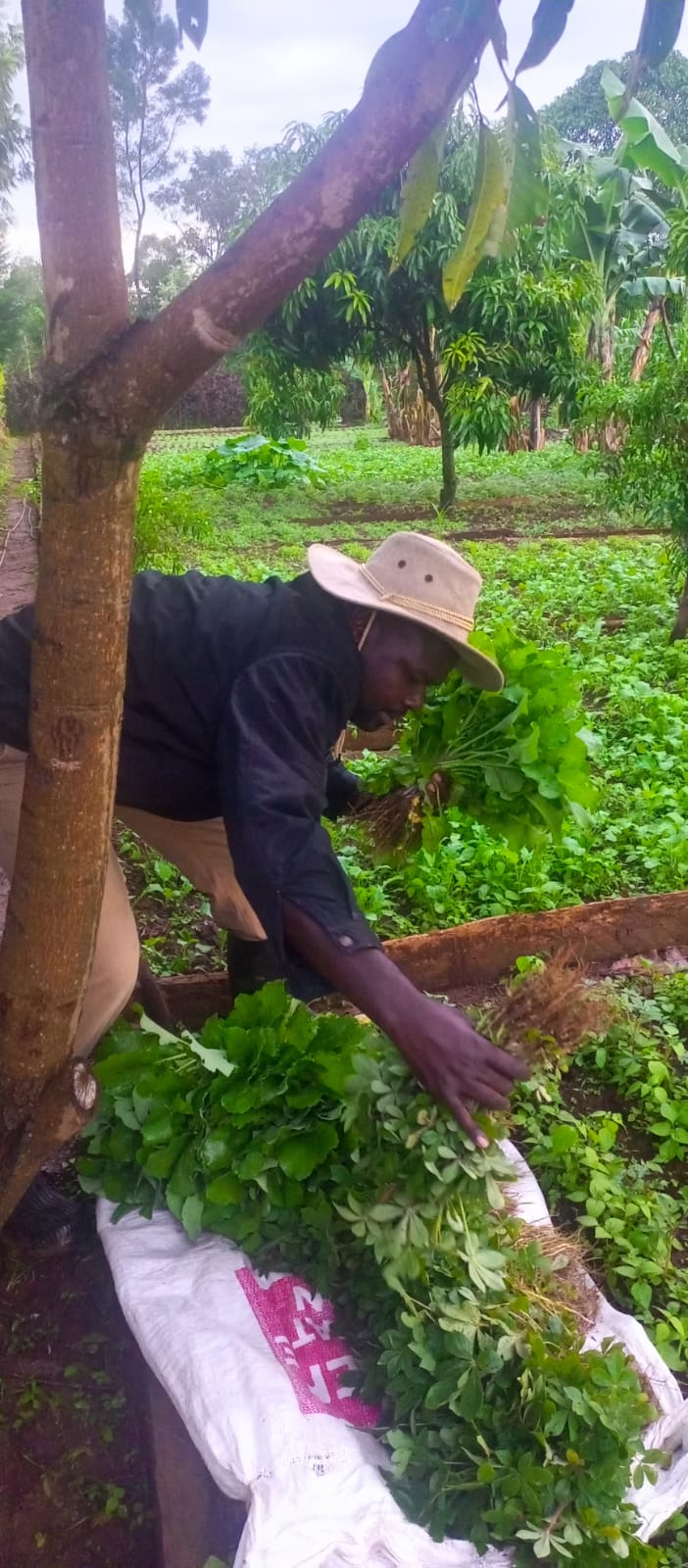
Ingredients: beef bones with marrow, 1–2 tbsp suet or tallow, water, 1 small onion, 2–3 garlic cloves, local herbs, salt to taste, handful chopped Managu or Sagaa.
Method: Roast bones briefly, then simmer 12–24 hours with suet and aromatics. Strain, season, and add wilted greens before serving.
Benefits: collagen, glycine, healthy fats, and minerals; gentle on digestion.
This is the same broth our grandparents used. It heals the gut, calms inflammation, and restores energy. Drink it warm in the morning or before bed.
*
2) Liver and Onion with Wilted Pumpkin Leaves
Ingredients: 200–300 g goat or beef liver, 1 onion, 2 tbsp clarified butter or ghee, lemon or vinegar, handful chopped pumpkin leaves, salt and pepper.
Method: Quickly sear liver slices in hot fat (don’t overcook), sauté onions until translucent, finish with acid and greens. Serve with mashed avocado or a small portion of boiled arrowroot if desired.
Benefits: high in iron, B12, choline; leafy greens add micronutrients and fiber.
Liver is nature’s multivitamin. Our ancestors didn’t waste it. They ate it regularly. If you’ve never tried it, start small. One bite at a time. The taste is strong, but the healing is real.
*
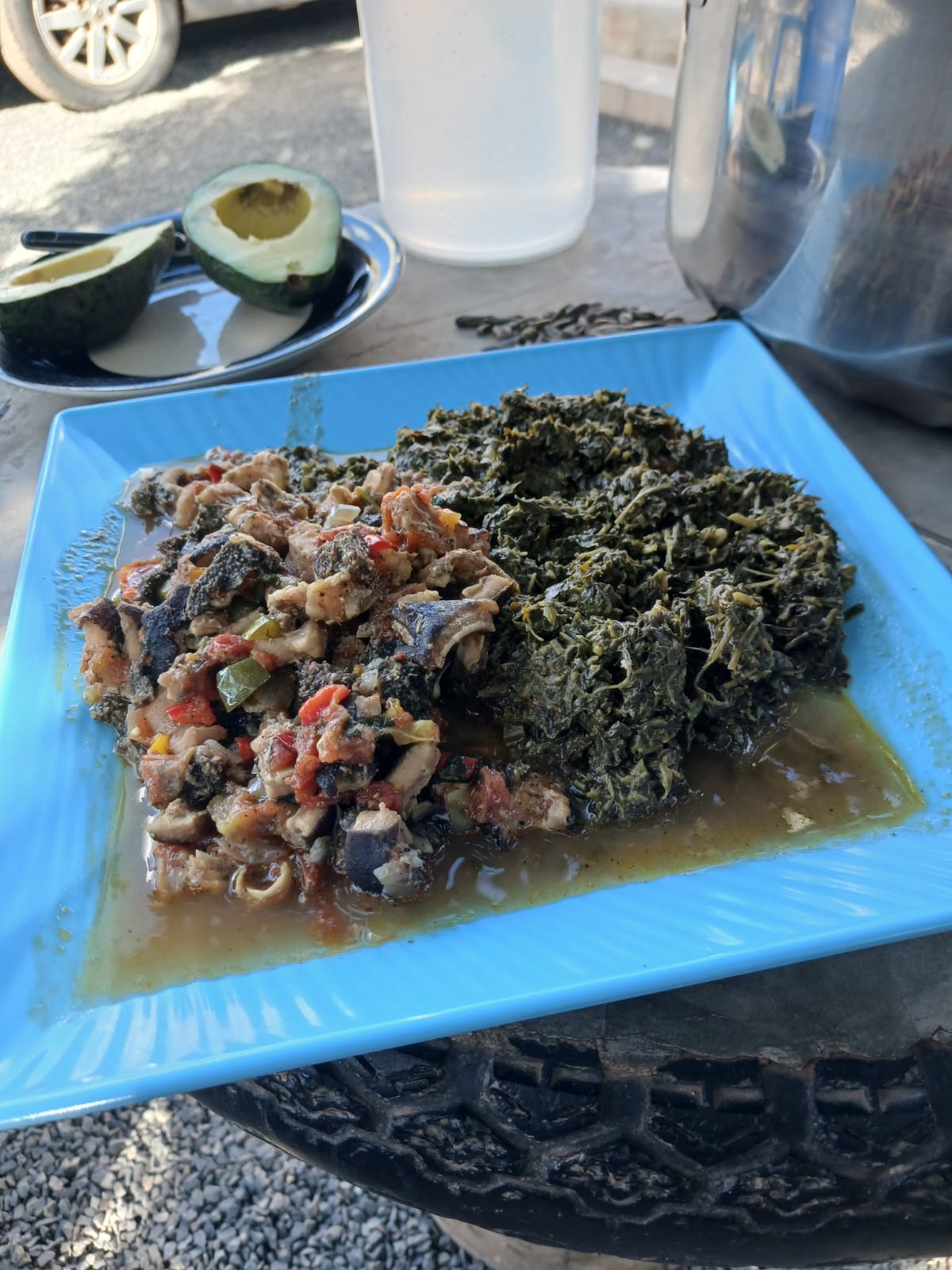
3) Whole Goat Stew — Nose-to-Tail
Ingredients: mixed goat cuts (muscle, short ribs, small pieces of heart or kidney), 2–3 tbsp tallow, water or stock, local herbs, optional small tuber chunks.
Method: Brown meats, add water and herbs, simmer until tender. Stir in bone marrow before serving for richness. Omit tubers for strict keto or include small portions for ancestral balance.
Benefits: varied tissues supply amino acids, connective tissue, and fat-soluble nutrients.
This stew is a feast. It’s what we eat after a ceremony, what we share with family. It reminds us that meat is not just fuel—it’s life, connection, and culture.
*
References
*
Disclaimer: This is educational information only, not medical advice. Always consult your doctor before making dietary changes, especially if you have health conditions. Results vary; we’re sharing our experiences to inspire your journey.
Be Well,
Cherinyit®
Ancestral Healing & Ketogenic Diet Practitioner
Keto Diet Champions & Wellness Centre
app.ketodietchampions.co.ke
Ready to Start?
Book a consultation today
Take the first step toward your health transformation with a KSh 300 consultation.
Book Now →