Don’t Eat Naked Carbs: An Ancestral-Keto Guide to Mastering Insulin
Never eat carbohydrates naked. Begin with fatty protein, continue with well-cooked vegetables, and finish with complex carbohydrates.
Korir Cherinyit
Tuesday, 11 August 2026
Don’t Eat Naked Carbs: An Ancestral-Keto Guide to Mastering Insulin
By Cherinyit®
At Keto Diet Champions & Wellness Centre, we believe that healing begins with returning to real food, ancestral wisdom, and a better understanding of how the body responds to a meal.
One of the most practical metabolic principles is simple:
Never eat carbohydrates naked. Begin with fatty protein, continue with well-cooked vegetables, and finish with complex carbohydrates.
This approach is not about fear, deprivation, or rigid rules. It is about building a meal in a way that supports satiety, reduces blood sugar spikes, and respects the body’s natural appetite control.
Why Naked Carbs Are a Problem
“Naked carbs” are carbohydrate-rich foods eaten on their own, without the support of fatty protein, vegetables, or whole-food fats.
Examples include:
When carbohydrate is eaten alone, it is digested quickly, glucose rises faster, and insulin must rise to manage that glucose. Insulin is not the enemy; it is a vital hormone. The real problem is the repeated cycle of high glucose, low satiety, and frequent snacking that can push the body toward weight gain and insulin resistance.
The Ancestral Meal Sequence
Traditional diets were not built around isolated starches or ultra-processed snacks. They were built around complete meals: animal foods, vegetables, fats, and fermented foods.
At Keto Diet Champions, we recommend this sequence:
Fatty protein → well-cooked vegetables → complex carbohydrates
Start with Fatty Protein
Begin your meal with naturally fatty protein and eat until you are truly satisfied.
Good choices include:
Fatty protein is highly satiating. When you begin here, the body settles, appetite becomes steadier, and the meal naturally becomes easier to regulate. You are not counting every bite; you are allowing fullness to guide you.
Continue with Well-Cooked Vegetables
After the protein, eat well-cooked vegetables according to your appetite and tolerance.
Examples include:
Well-cooked vegetables support the meal without taking over its purpose. They bring balance, texture, and tradition to the plate.
Finish with Complex Carbohydrates
If you choose to include carbohydrates, eat them last.
Examples include:
These foods are not the same as refined sugar or processed snacks. Still, natural does not mean unlimited. The correct place for carbohydrate in the meal is at the end, after the body has already been nourished by protein and vegetables.
For someone pursuing ketosis, carbohydrate intake may need to remain very low. For someone using an ancestral low-carb approach, a small amount of traditional carbohydrate may fit better. The principle remains the same: do not begin the meal with starch.
What Research Says
Scientific studies have shown that meal sequence matters.
When people eat protein and vegetables before carbohydrate, post-meal glucose excursions can be lower than when carbohydrate is eaten first. More recent work has also found that carbohydrate-last meals may improve glucose variability and time in range in people with type 2 diabetes. pmc.ncbi.nlm.nih
This means the order of eating is not a small detail. It can meaningfully change how the body handles the meal.
Why Fatty Protein Comes First
Fatty protein is the anchor of the meal because it is deeply satisfying.
When the meal begins with fatty meat, eggs, fish, or another complete animal food, the body receives strong satiety signals. That makes the rest of the meal easier to regulate naturally. This is why we do not rely on portion counting as the foundation of our approach.
A meal that starts with satiating protein often takes care of the portions on its own.
Natural Fats Are Self-Limiting
Natural fats work best as part of complete foods.
Fatty meats, eggs, fish, and chicken with the skin already provide a satisfying combination of protein and fat. Additional fats such as ghee, samli, tallow, or butter may be used for cooking and flavour, but there is no need to force extra fat after satiety has been reached.
The goal is nourishment, not mechanical overeating.
Where Fibre Fits
Within this framework, fibre is not the centre of the meal.
The vegetables and traditional complex carbohydrates naturally provide the fibre associated with whole foods. The emphasis is on complete nourishment rather than isolated fibre supplements, processed cereals, or bran-based products.
The real question is not “How much fibre did I add?” but “Did I build a meal that satisfies, nourishes, and supports metabolic health?”
Mursik Should Remain Unsweetened
Unsweetened fermented milk is mursik, and it should remain that way.
Mursik is a traditional fermented milk associated with the Kalenjin people of Kenya. It can be part of an ancestral food pattern when it is hygienically prepared and well tolerated. en.wikipedia
There is no need to sweeten it. Sugar undermines the very simplicity and integrity that make the food traditional in the first place.
A Simple Ancestral Plate
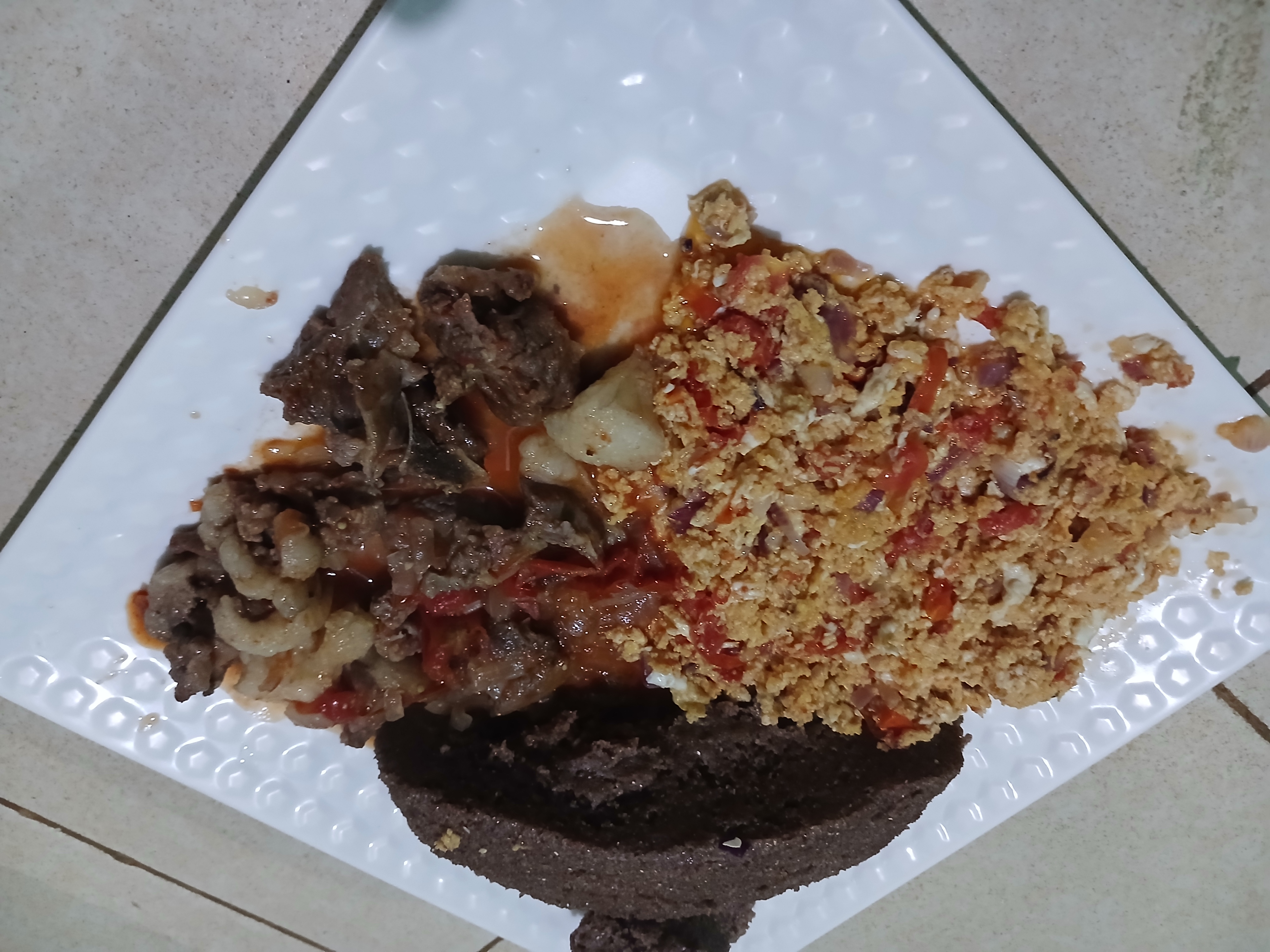
A practical meal might look like this:
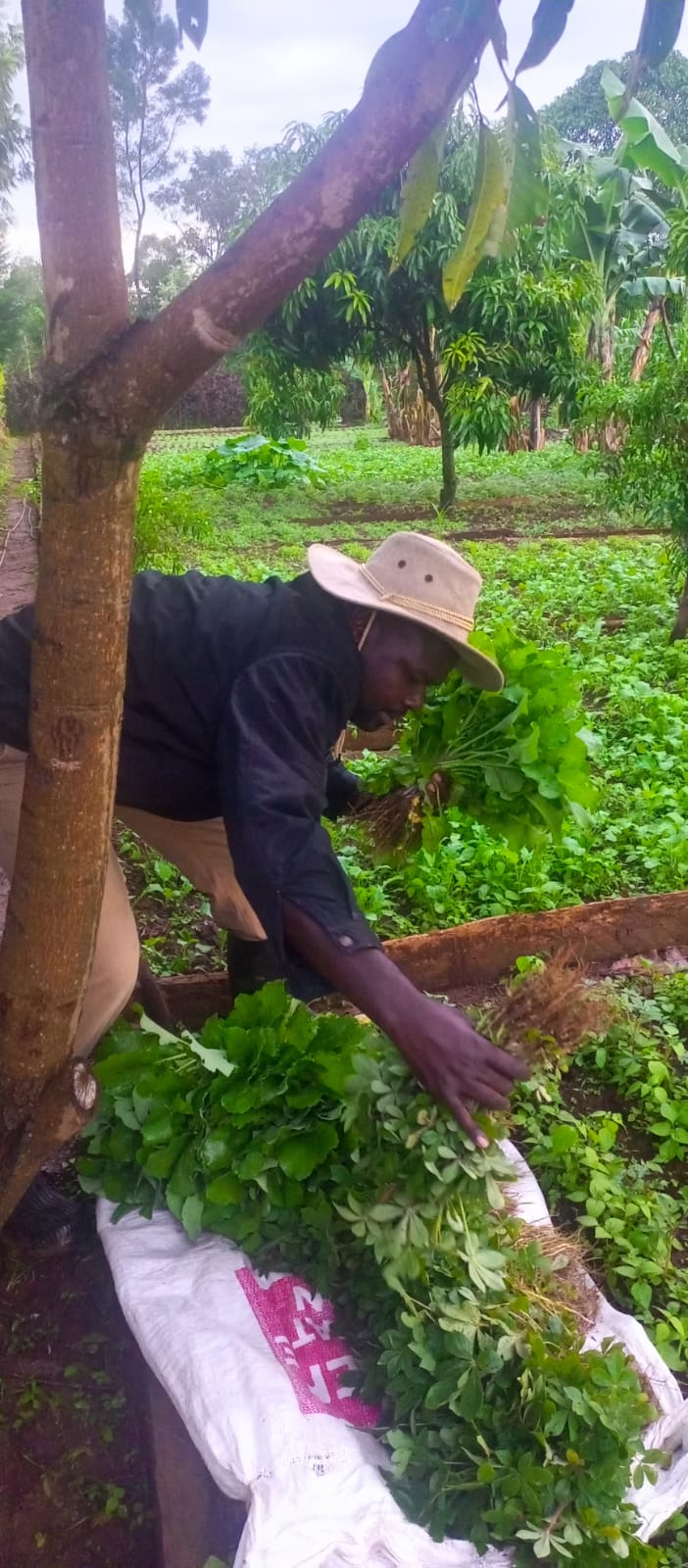
Fatty beef with well-cooked managu, followed by arrowroot if desired.
Or:
Eggs and avocado, followed by cooked sagaa, with sweet potato eaten at the end.
The lesson is simple: eat in the order that favours satiety, stable energy, and metabolic control.
The Keto Diet Champions Approach
Our message is not complicated:
This is how ancestral wisdom and modern nutrition science come together.
Do not eat naked carbs. Dress them with ancestral nourishment, eat them last, and let satiety do its work.
Be Well,
Cherinyit Cherinyit®
Ancestral Healing & Ketogenic Diet Practitioner
Founder & Director, Keto Diet Champions & Wellness Centre
Eldoret, Kenya
🌐 [www.ketodietchampions.co.ke]
𝕏 @KDC_Wellness
Disclaimer
This article is for educational and informational purposes only. It is not medical advice, diagnosis, or treatment, and it does not replace consultation with a qualified healthcare professional.
Ready to Start?
Book a consultation today
Take the first step toward your health transformation with a KSh 300 consultation.
Book Now →