Revitalize Your Hormonal Health: 9 Natural Paths to Higher Testosterone
Testosterone, the key male hormone, drives muscle strength, bone density, energy, libido, and emotional stability in both men and women. Produced mainly in the testes (with smaller amounts from ovaries and adrenals), it supports sperm production, fat metabolism, and red blood cell formation—essential for vitality. When levels dip due to aging or lifestyle, it can feel overwhelming, but recognizing this empowers change.
Korir Cherinyit
Monday, 11 May 2026
Boost Your Vitality Naturally: 9 Evidence-Based Strategies to Optimize Testosterone Level
As the Founder and Wellness Coach at Keto Diet Champions & Wellness Centre in Eldoret, Kenya, I understand the quiet frustration of feeling less energetic, struggling with weight, or noticing changes in drive and mood—it's common, but you don't have to accept it as inevitable. Low testosterone affects many men, yet simple, ancestral-inspired shifts rooted in ketogenic principles and real-food nutrition can restore balance and empower your health journey.
Understanding Testosterone's Role
Testosterone, the key male hormone, drives muscle strength, bone density, energy, libido, and emotional stability in both men and women. Produced mainly in the testes (with smaller amounts from ovaries and adrenals), it supports sperm production, fat metabolism, and red blood cell formation—essential for vitality. When levels dip due to aging or lifestyle, it can feel overwhelming, but recognizing this empowers change.
This infographic highlights core boosters like diet and sleep, aligning with practical steps we'll explore.
Recognizing Low Testosterone Signs
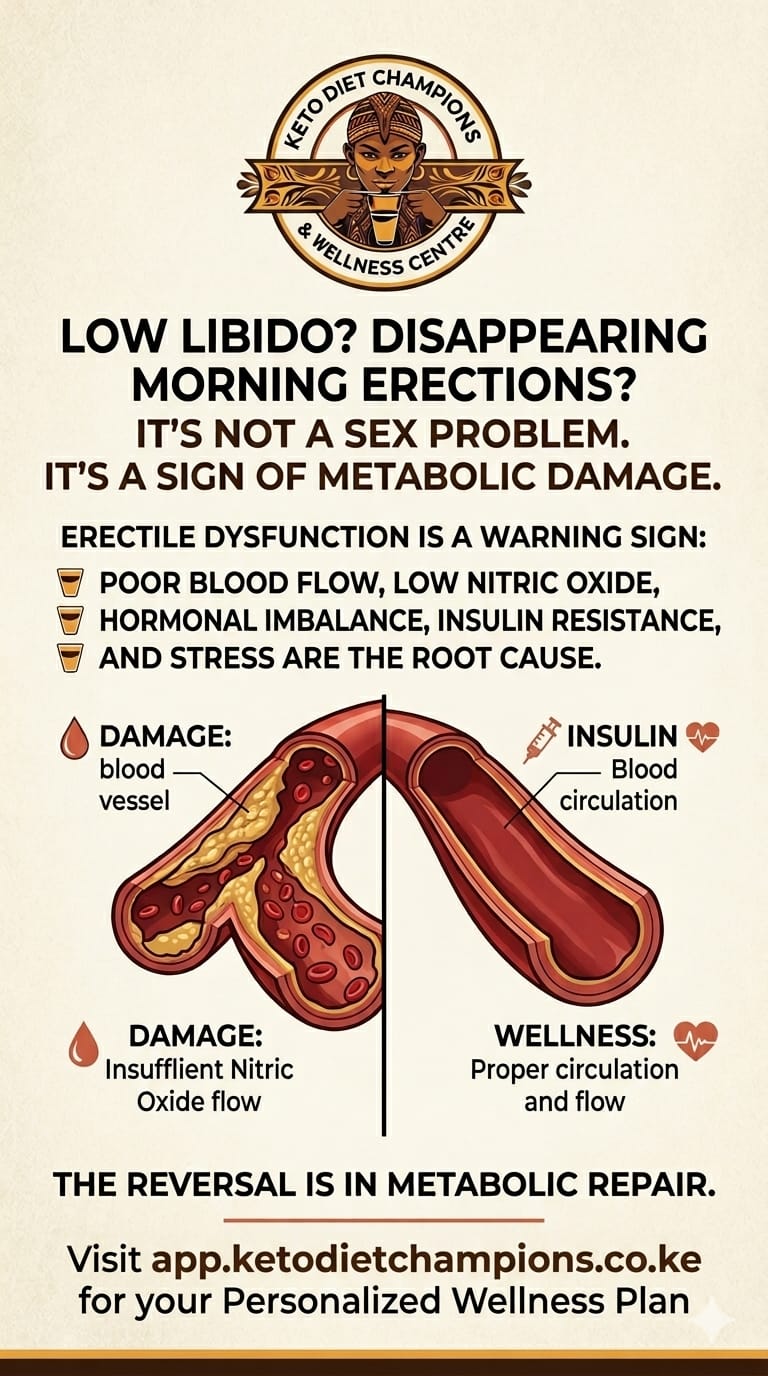
Fatigue, reduced muscle mass, low sex drive, erectile issues, excess fat (especially around the chest), mood dips like irritability or fog, and even shrinking testes signal imbalance. In my coaching at Keto Diet Champions, clients often share these alongside diabetes or reflux struggles—it's your body's call for support, not a flaw. Women may notice similar effects on fertility and energy.
Common Causes of Decline
Levels drop 1% yearly after 30, accelerated by obesity, insulin resistance, poor sleep, stress (elevating cortisol), zinc/vitamin D shortages, endocrine disruptors like plastics, and meds like statins. Alcohol and phytoestrogens from soy can mimic estrogen, tipping balance further. As a ketogenic practitioner, I've seen how carb-heavy diets worsen insulin spikes, suppressing hormones—empathetic to modern stresses, but fixable.
Strategy 1: Embrace Ancestral Keto
A low-carb, high-fat ketogenic diet like our Ancestral Keto at Keto Diet Champions stabilizes insulin and cholesterol—building blocks for testosterone—while curbing spikes that block production. Limit net carbs under 50g daily with meats, eggs, avocados, and greens; clients report energy surges fast.
Strategy 2: High-Intensity Interval Training
HIIT—short bursts like 90-second sprints with rests—outperforms steady cardio for testosterone boosts, building muscle without overtraining. Aim for 20-30 minutes, 3x weekly; it's efficient for busy professionals, restoring strength you thought was gone.
Strategy 3: Prioritize Restorative Sleep
Most testosterone releases during deep sleep; under 5 hours cuts levels 10-15%. Target 7-9 hours with dark rooms, no screens—vital for hormonal repair, as I've guided clients to reclaim.
Strategy 4: Load Up on Zinc Foods
Zinc converts testosterone actively; deficiency tanks it—oysters, beef, eggs, seeds fix this fast. Our keto meals naturally pack it, supporting Kenyan-sourced proteins for steady gains.
Strategy 5: Practice Intermittent Fasting
Fasting lowers insulin resistance, enhancing hormone signaling—up to 180% boosts in studies. Skip breakfast, eat in an 8-hour window; pairs perfectly with keto for metabolic freedom.
Strategy 6: Minimize Phytoestrogens
Soy and flax mimic estrogen; limit to protect testosterone, especially in high amounts. Stick to animal fats and greens—simple swap for hormonal harmony.
Strategy 7: Tame Chronic Stress
Cortisol from stress blocks LH for testosterone; walks, nature, or family time lower it effectively. I've seen stressed execs thrive with these, rebuilding calm and power.
Strategy 8: Cut Out Alcohol
Even moderate intake raises estrogen, shrinks testes, disrupts liver—limit or quit for quick recovery. Keto clarity amplifies this win.
Strategy 9: Secure Vitamin D
Sun or fatty fish like tilapia and omena boost this hormone regulator; deficiencies link to low T and poor performance. Kenyan sun is gold—15 minutes daily, plus eggs.
Visualizing natural paths like these reinforces commitment to your health.
When to Seek Professional Guidance
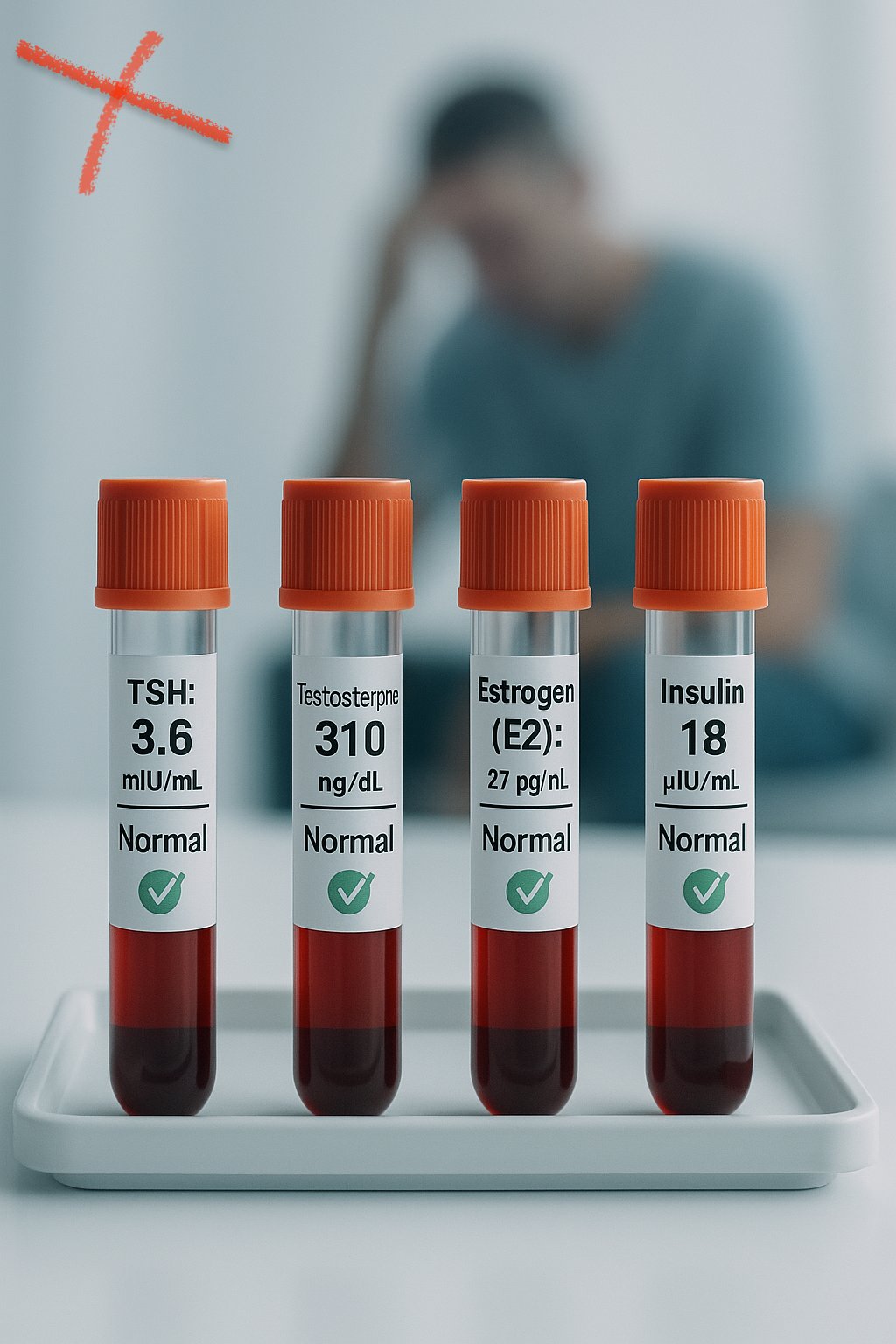
Persistent symptoms warrant blood tests for total/free T, LH, semen analysis. TRT helps some but risks acne, clots, dependency—prioritize natural first, consulting your doctor.
At Keto Diet Champions (app.ketodietchampions.co.ke), we tailor plans safely.
Optimizing testosterone restores vitality—start with keto and sleep for momentum. You're capable of this transformation; join our community for support.
Ready? Visit app.ketodietchampions.co.ke.
Cherinyit,
Ancestral Healing & Ketogenic Diet Practitioner.
Ready to Start?
Book a consultation today
Take the first step toward your health transformation with a KSh 300 consultation.
Book Now →