Skin tags: your body’s loud whisper about hidden metabolic stress
Skin tags may look harmless, but they are strongly linked to insulin resistance, high cortisol, and obesity.
Korir Cherinyit
Tuesday, 19 May 2026
Skin tags: your body’s loud whisper about hidden metabolic stress
I see this again and again as a wellness coach — clients notice skin tags, shrug them off, then later face bigger problems. Skin tags may look harmless, but they are strongly linked to insulin resistance, high cortisol, and obesity. They are not just a cosmetic nuisance; they are a visual sign that your hormones are under long‑term strain.
Where skin tags show up — and why it matters
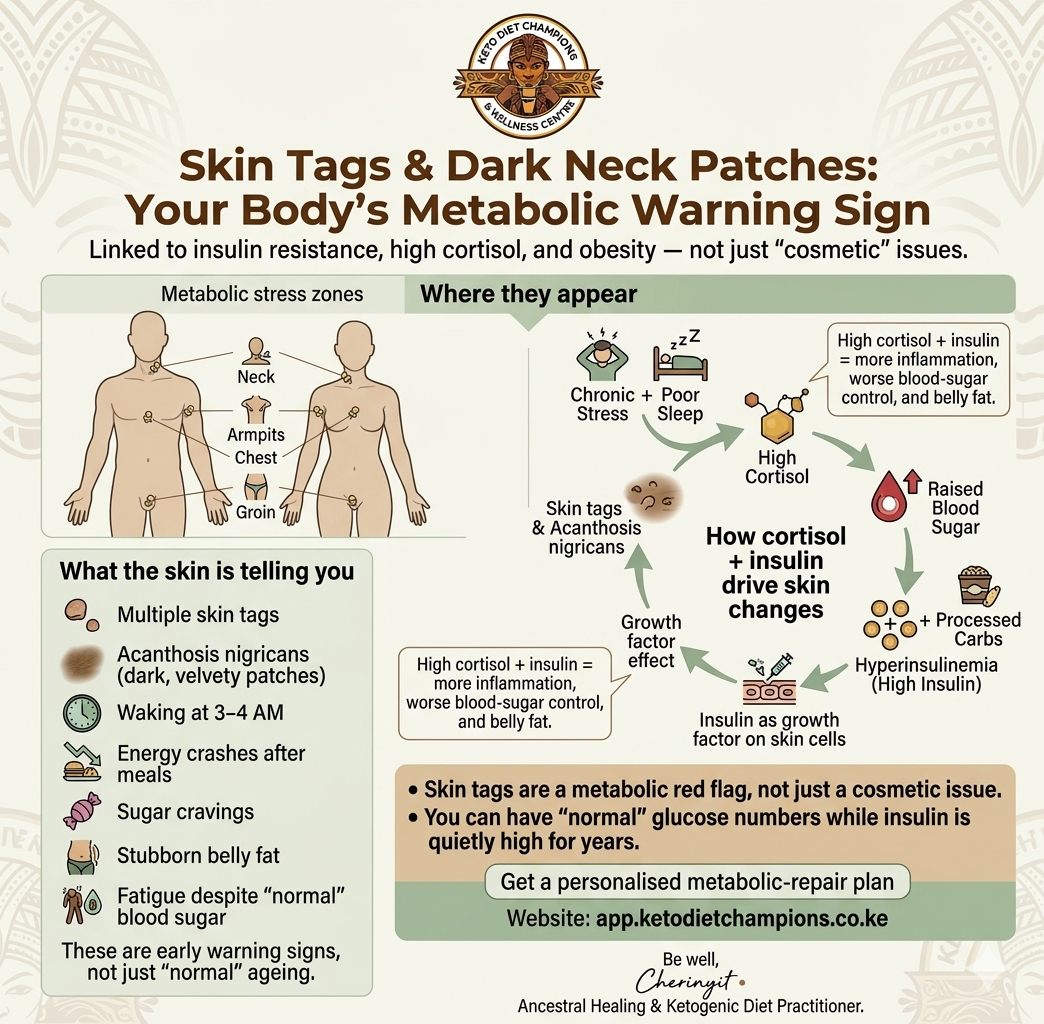
Skin tags often cluster in areas where friction and metabolic stress combine:
When they appear in these spots, especially in multiples, they frequently signal that your body is dealing with chronic hormonal imbalance, not “normal ageing.”
What your skin tags may be telling you
If you have skin tags, especially alongside other signs, your body is sending clear warning messages. Look for:
Acanthosis nigricans and multiple skin tags are recognised dermatologic markers of insulin resistance and metabolic syndrome, especially in people with obesity or pre‑diabetes. They are not just cosmetic — they are early metabolic red flags.
How insulin resistance and cortisol create skin tags
Insulin resistance and hyperinsulinemia
When your cells become less responsive to insulin, your pancreas compensates by pumping out more insulin to keep blood sugar in check. Over time, insulin circulates at higher levels than normal.
Insulin acts like a growth factor on skin cells and connective tissue. Chronically high insulin promotes local overgrowth and thickening of the skin, which helps form both skin tags and the dark, velvety patches of acanthosis nigricans.
High cortisol’s role
Chronic stress, poor sleep, and overtraining keep cortisol elevated. High cortisol raises blood sugar and forces the body to release even more insulin, deepening the cycle of insulin resistance.
High cortisol also promotes inflammation, worsens blood‑sugar control, and encourages fat storage around the belly. This creates the perfect internal environment for skin tags to form and multiply.
The cortisol‑insulin loop in plain language
Skin tags and dark neck patches are not separate problems; they are outward signs of the same metabolic stress happening inside.
Why this is dangerous — even if “sugar is normal”
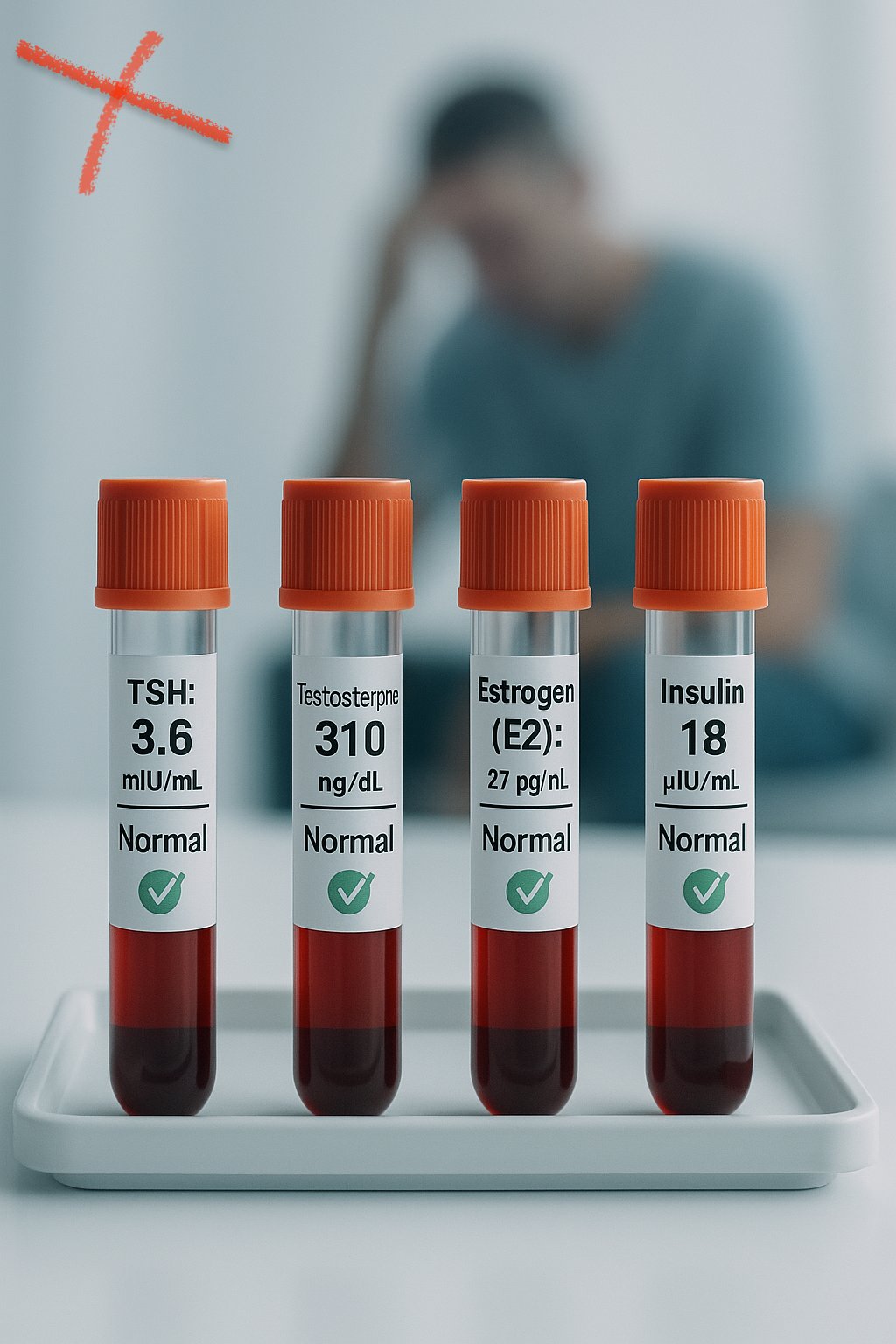
You can have “normal” glucose numbers for years while insulin is quietly elevated and skin tags quietly multiply. By the time blood sugar looks abnormal, much of the underlying damage is already underway.
This is why you cannot rely only on a single glucose test. Skin changes, sleep disruption, energy crashes, and cravings are often the first clues that your metabolism is struggling.
What this means for your health
We do not treat skin tags by cutting or burning them off alone — they are a symptom, not the root cause. If your skin is producing multiple tags or dark patches, your body is asking you to pay attention to your hormones, food, sleep, and stress, not just your appearance.
At Keto Diet Champions & Wellness Centre, we focus on fixing the underlying insulin resistance and metabolic imbalance. Restore hormonal balance through an ancestral‑Keto pattern, lifestyle rhythm, and stress‑smart living, and many of these signs — including skin tags — often improve naturally over time.
If you see skin tags plus dark neck patches, sugar cravings, belly fat, or night‑time wakings, it is time to take them seriously.
Want a personalised metabolic‑repair plan built around ancestral‑Keto and lifestyle changes?
Start now at app.ketodietchampions.co.ke and join our wellness community focused on root‑cause healing.
Be well,
Cherinyit Cherinyit
Founder - Keto Diet Champions & Wellness Centre
Ancestral Healing & Ketogenic Diet Practitioner
Ready to Start?
Book a consultation today
Take the first step toward your health transformation with a KSh 300 consultation.
Book Now →