WHY WE THE HEALTH CARE WORKERS (HCWs) SHOULD UNFAT
Of all the parasites that affect humanity, I do not know of, nor can I imagine, any more distressing than that of Obesity-WILLIAM BANTING
Elisha Kutto
Friday, 29 May 2026
HERE’S THE QUESTION that has always bothered me: Why are there Healthcare workers (Doctors, Nurses, COs, Lab Scientists, Nutritionists, PHOs etc who are fat?)- I was there too. Accepted as authorities in human physiology HCWs should be true experts on the causes and treatments of obesity. Most HCWs are also very hardworking and self-disciplined. Since nobody wants to be fat, we the HCWs in particular should have both the knowledge and the dedication to stay thin and healthy.
So why are there fat Medics? The standard prescription for weight loss is “Eat Less, Move More.” It sounds perfectly reasonable. But why doesn’t it work? Perhaps people wanting to lose weight are not following this advice. The mind is willing, but the flesh is weak. Yet consider the self-discipline and dedication needed to complete an undergraduate degree, medical school, internship, residency and fellowship. It is hardly conceivable that overweight doctors simply lack the willpower to follow their own advice. This leaves the possibility that the conventional advice is simply wrong. And if it is, then our entire understanding of obesity is fundamentally flawed. Given the current epidemic of obesity, I suspect that such is the most likely scenario.
So, we need to start at the very beginning, with a thorough understanding of the disease that is human obesity. We must start with the single most important question regarding obesity or any disease: “What causes it?” We spend no time considering this crucial question because we think we already know the answer. It seems so obvious: it’s a matter of Calories In versus Calories Out. A calorie is a unit of food energy used by the body for various functions such as breathing, building new muscle and bone, pumping blood and other metabolic tasks. Some food energy is stored as fat. Calories In is the food energy that we eat. Calories Out is the energy expended for all of these various metabolic functions. When the number of calories we take in exceeds the number of calories we burn, weight gain results, we say. Eating too much and exercising too little causes weight gain, we say. Eating too many calories causes weight gain, we say. These “truths” seem so self-evident that we do not question whether they are actually true.
We transform the problem into eating too much (gluttony) and/or exercising too little (sloth). Gluttony and sloth are two of the seven deadly sins. So, we say of the obese that they “brought it on themselves.” They “let themselves go.” It gives us the comforting illusion that we understand ultimate cause of the problem. But really! how will I the obese HCW advise a patient to lose weight whereas I am burdened by the same scourge. I am not saying we the health care workers cannot be sick, No. It seems the interventions we are giving out are not working for our clients and ourselves.
Let ancestral wisdom guide us
William Banting (1796–1878), an English undertaker, rediscovered the fattening properties of the refined carbohydrate. In 1863, he published the pamphlet Letter on Corpulence, Addressed to the Public, which is often considered the world’s first diet book. His story is rather unremarkable. He was not an obese child, nor did he have a family history of obesity. In his mid-thirties, however, he started to gain weight. Not much; perhaps a pound or two per year. By age sixty-two, he stood five foot five and weighed 202 pounds (92 kilograms). Perhaps unremarkable by modern standards, he was considered quite portly at the time.
Distressed, he sought advice on weight loss from his physicians. First, he tried to eat less, but that only left him hungry. Worse, he failed to lose weight. Next, he increased his exercise by rowing along the River Thames, near his home in London. While his physical fitness improved, he developed a “prodigious appetite, which he was compelled to indulge.” Still, he failed to lose weight. Finally, on the advice of his surgeon, Banting tried a new approach. With the idea that sugary and starchy foods were fattening, he strenuously avoided all breads, milk, beer, sweets and potatoes that had previously made up a large portion of his diet. (Today we would call this diet low in refined carbohydrates- Keto diet) William Banting not only lost the weight and kept it off, but he also felt so well that he was compelled to write his famous pamphlet. Weight gain, he believed, resulted from eating too many “fattening carbohydrates.”
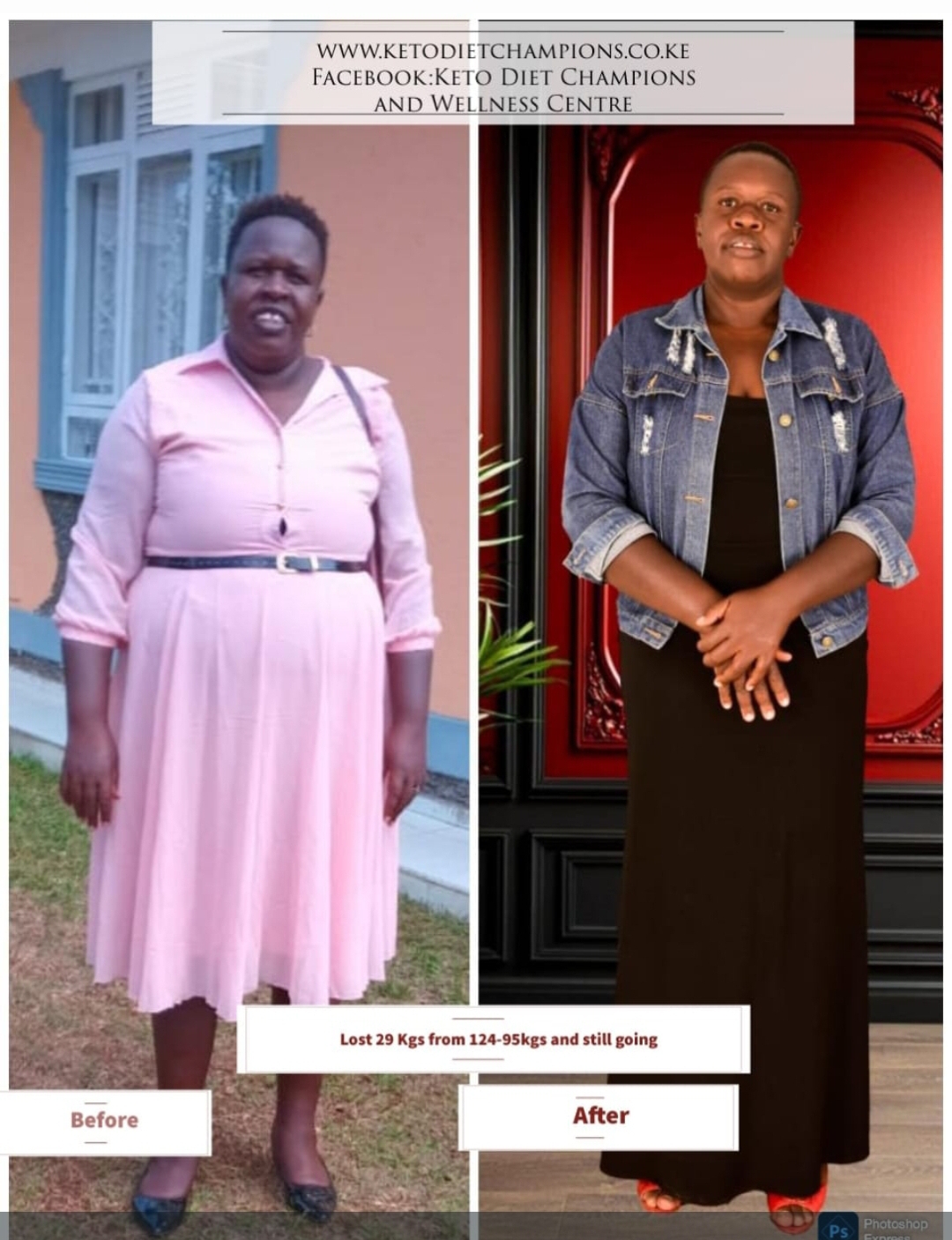
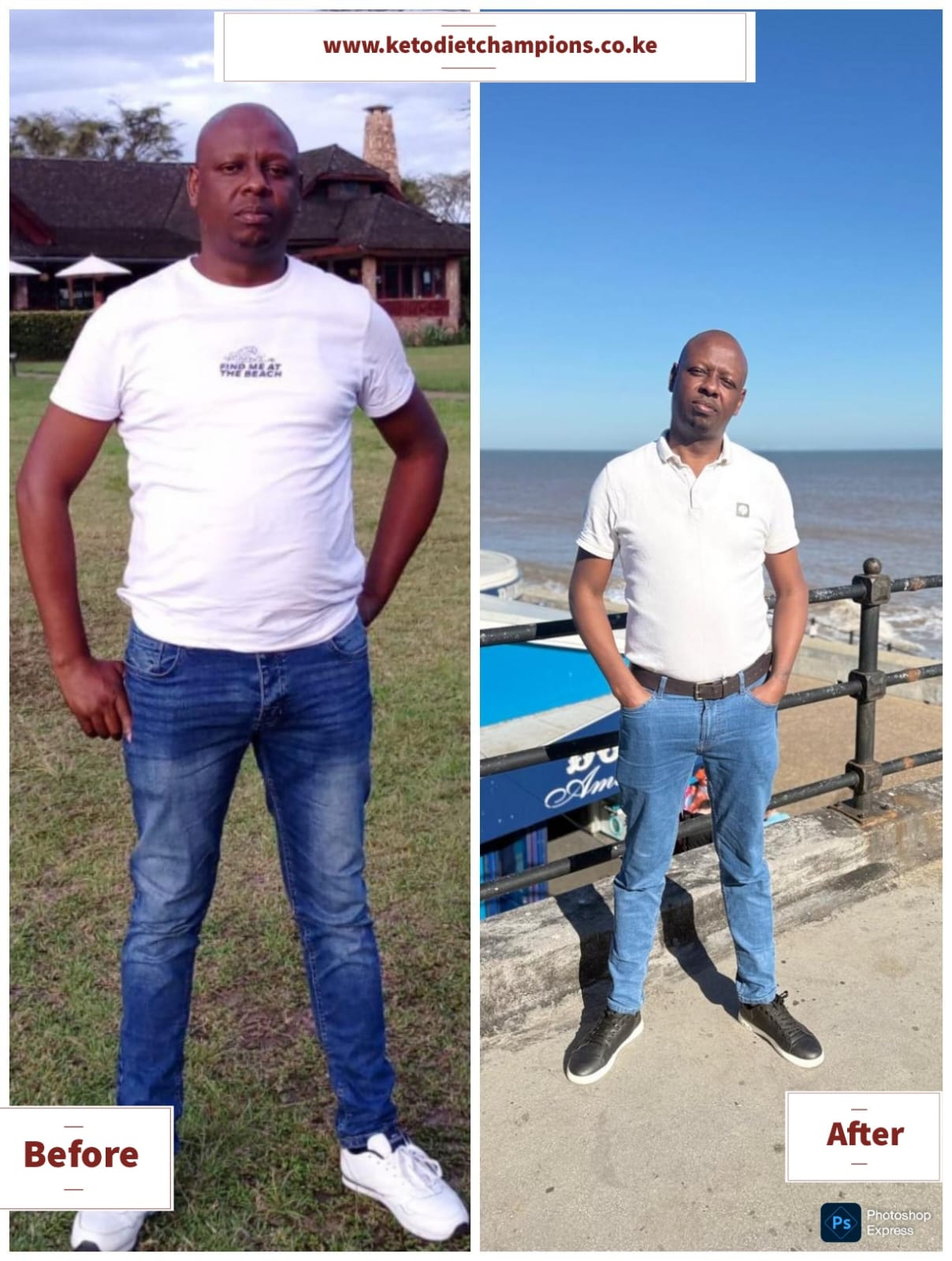
At Keto Diet Champions & Wellness Centre we have adopted this ancestral wisdom coupled with the power of modern science and common sense and the results speaks for itself.
For Holistic weight loss program, book a session with us on:
app.ketodietchampions.co.ke
Your Health is Our Priority
KuttoKim- Keto & Ancestral Diet Practitioner/Advocate for ketogenic Lifestyle
Ready to Start?
Book a consultation today
Take the first step toward your health transformation with a KSh 300 consultation.
Book Now →